A CENTUM spare-parts request often begins with a familiar model name and a cabinet photo. That is useful, but it is not enough to release a purchase order. Engineers and buyers need to establish whether the requirement is for a complete node, an installed module, a terminal assembly or a revision-specific replacement. This guide converts that identification work into a practical RFQ process for brownfield process plants.
Yokogawa part numbers describe more than a product family. The complete alphanumeric code can define power-input arrangement, redundancy, terminal style, environmental option and the hardware generation expected by the installed CENTUM release. Two modules with similar front panels may therefore have different electrical or mechanical interfaces.
Before an alternative is approved, record the manufacturer, base model, suffix, style code and revision exactly as printed on the nameplate. Also capture the rack location, connected terminal board and cable. For a live system, the safest evidence package normally includes one straight-on label photograph and one wider photograph showing the installed slot and adjacent modules.
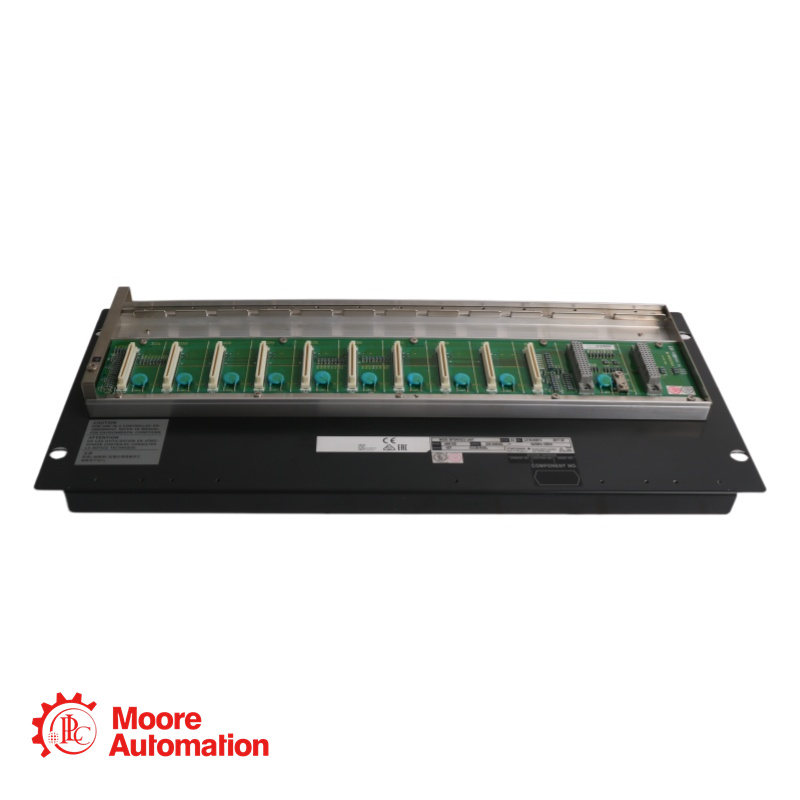
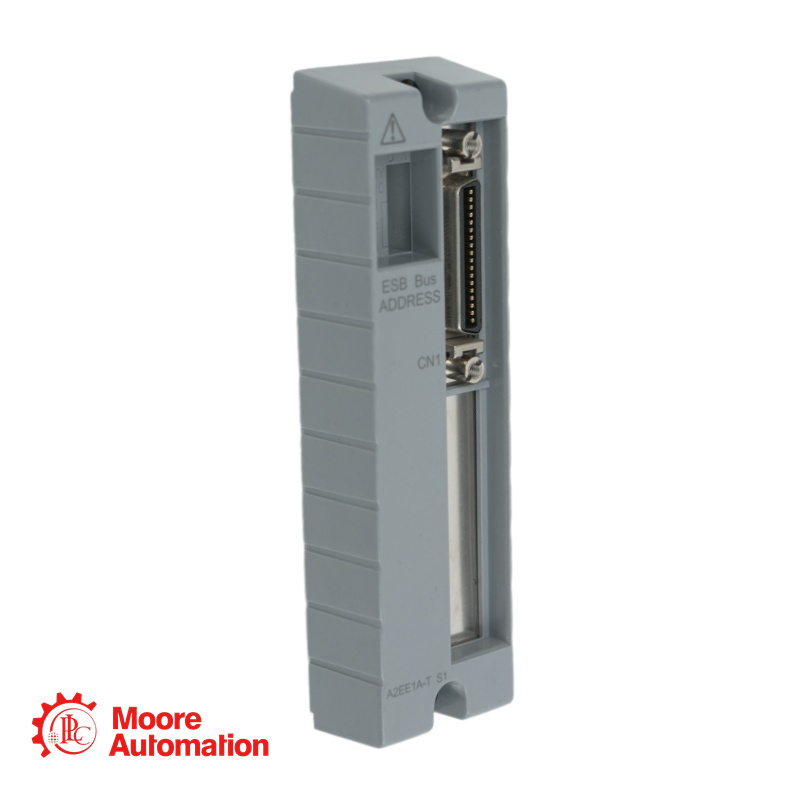
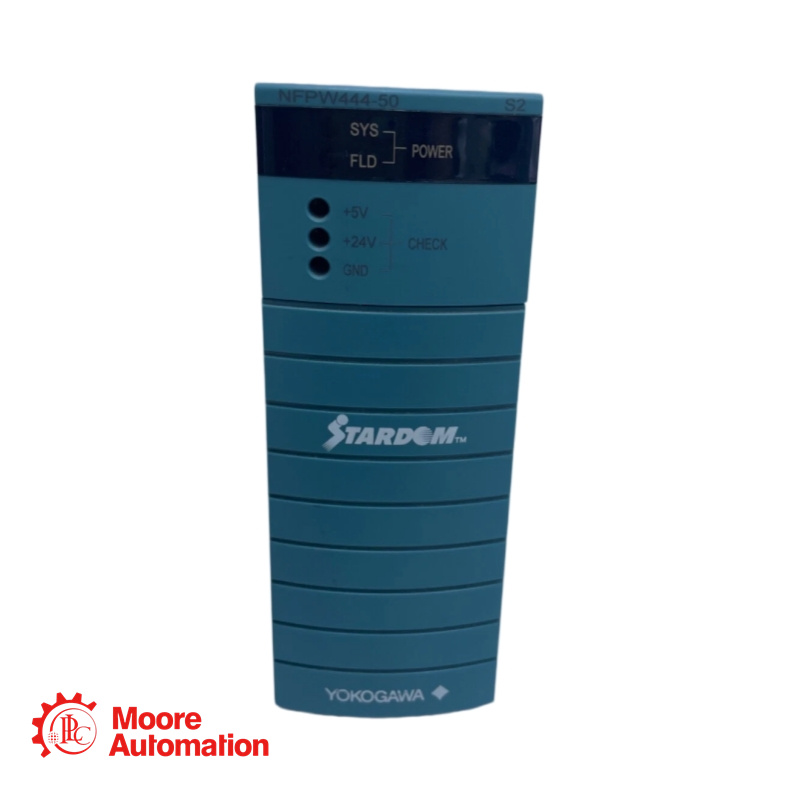
For the illustrated Yokogawa ANB10D-415/CU2N ESB Bus Node Unit, the core assembly is commonly described as one node base, two PW481-50 power supplies and two SB401-50 ESB Bus Interface Slave Modules. The paired arrangement supports the illustrated redundant power and ESB interface architecture. Optional FIO cards are application hardware and must be counted from the actual rack.
| COMPLETE NODE SUPPLY MODEL | DUAL-REDUNDANT ESB NODE |
|
01 · NODE BASE
ANB10D-415/CU2N
Quantity: 1 unit |
02 · POWER PAIR
PW481-50
Quantity: 2 units |
03 · INTERFACE PAIR
SB401-50
Quantity: 2 units |
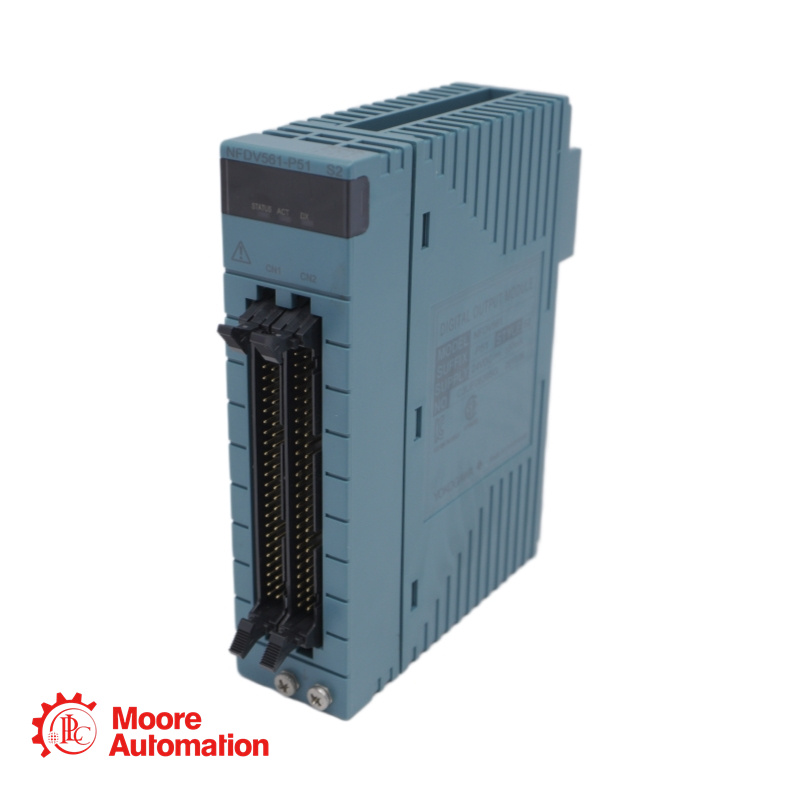
The ASD533 is an eight-channel isolated digital output module with a built-in barrier. Terminal arrangements may include ATSD3S-0 hardware for the /SD3S0 option or a dual-redundant terminal arrangement for /SD3D0. Those suffix details affect what can be installed without redesigning the termination or cabinet wiring.
The word “replacement” can mean an identical spare, an approved later revision, a functional successor or a migration project. Procurement should record which level is acceptable before requesting prices. This prevents a lower-cost but unusable substitute from reaching the site.
|
Situation
|
Required review
|
Recommended procurement action
|
|---|---|---|
|
Same full part number
|
Condition, revision, firmware and test status
|
Request label photos and a pre-shipment functional check.
|
|
Same model, different revision
|
Release notes, style code, terminal and installed CENTUM version
|
Obtain plant engineering approval before PO release.
|
|
Later successor model
|
Rack fit, connector pinout, database, network and power requirements
|
Treat as an engineered change, not a visual match.
|
|
No direct replacement
|
Loop scope, outage window, drawings and migration risk
|
Plan a controlled retrofit with FAT, loop checks and commissioning ownership.
|
|
IDENTIFICATION
Suffix omission
A base model may conceal voltage, terminal or option differences that change installation suitability.
|
ARCHITECTURE
Redundancy mismatch
A simplex part or termination cannot be assumed to satisfy a redundant node or field circuit.
|
|
HARDWARE
Interface mismatch
AC/DC power family, terminal board, cable and connector differences can stop a physically similar module from working.
|
COMMISSIONING
Database and testing scope
A successor may require configuration changes, calibration, loop checks or new commissioning evidence.
|
The following Yokogawa automation parts are available for compatibility review. Open any card in a new tab and send Frida the installed label photo, required quantity and project date for a stock and lead-time check.

|

|
| ▶ |
Is ANB10D-415/CU2N the same item as PW481-50 or SB401-50?
|
|
No. ANB10D identifies the node base, PW481-50 the paired power-supply modules and SB401-50 the paired ESB interface modules.
|
| ▶ |
Does one ANB10D-415/CU2N order always include two PW481-50 and two SB401-50?
|
|
Not automatically. The quotation must state whether it covers only the base or the complete 1 + 2 + 2 core node assembly.
|
| ▶ |
Is ASD533 included in that core node kit?
|
|
No. ASD533 is application I/O hardware and should be counted from the installed rack unless the supply scope lists it separately.
|
| ▶ |
Can a similar Yokogawa suffix replace the installed unit?
|
|
Only after the voltage, terminal, option, style, revision and CENTUM release have been checked by plant engineering.
|
| ▶ |
Will replacement require configuration or calibration?
|
|
It may. Define configuration restoration, calibration, loop checks and functional testing in the site work package.
|
Frida supports end users, distributors, contractors and system integrators with hard-to-find industrial automation spare parts. She helps plants maintain legacy systems and enables project partners to submit stronger RFQs with verified part numbers, stock, lead times, technical documents, product photos and pre-shipment inspection—supporting every step from enquiry to reliable delivery.

|

|

|
Moore Automation is an independent supplier. Yokogawa product names and part numbers are used for identification. Final compatibility must be confirmed against the installed hardware and project documentation.



 IPv6 REDE SUPORTADA
| Mapa do site
| XML
| Termos e Condições
| Política de Privacidade
IPv6 REDE SUPORTADA
| Mapa do site
| XML
| Termos e Condições
| Política de Privacidade
 MAIL US
 CAIL US



 Tell Us Your Needs !